

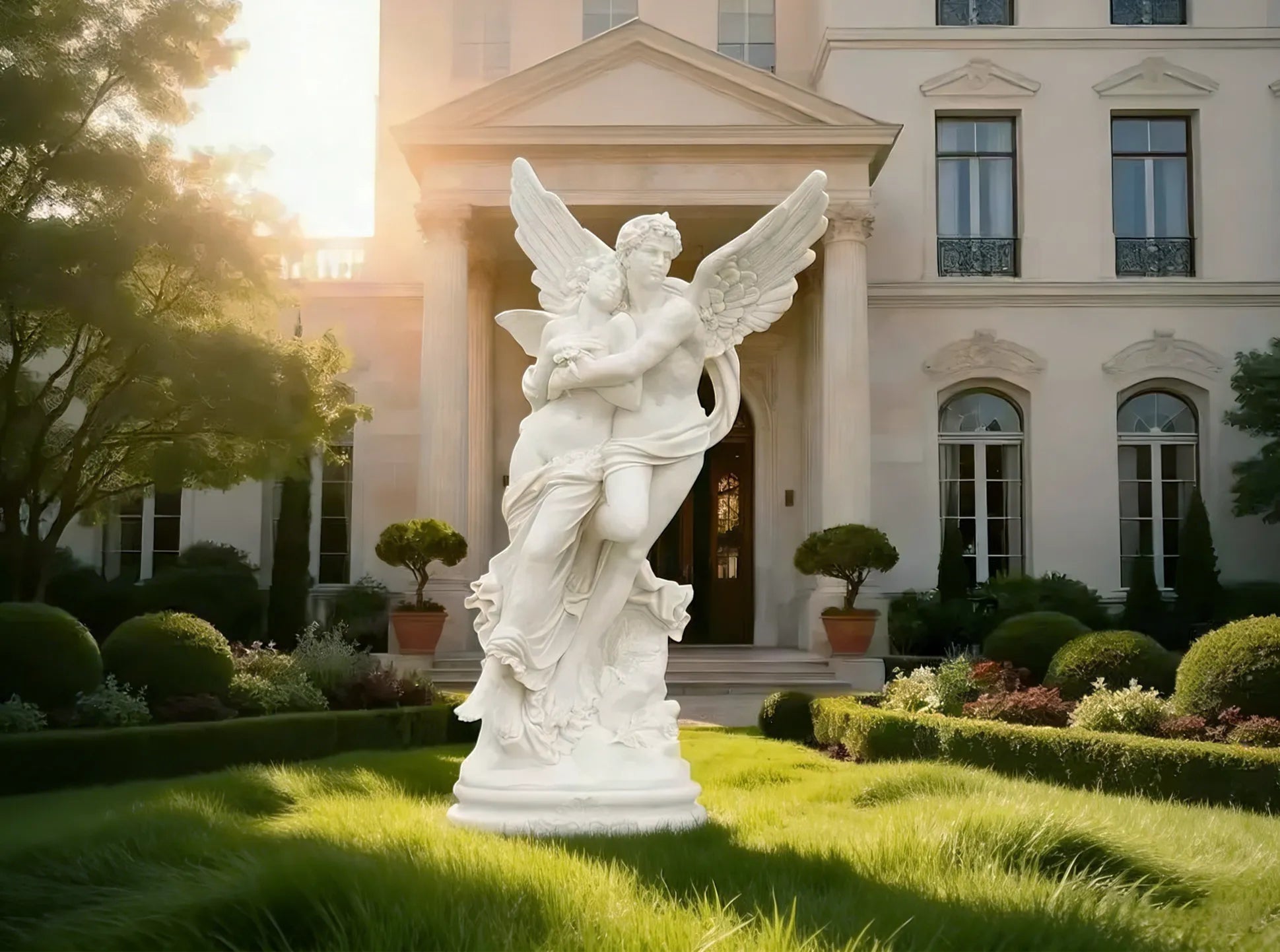
When it comes to purchasing a marble statue, understanding what influences the price can help you make an informed decision. Various factors come into play, including the type of marble used, the sculpture's size, design complexity, and even how it’s transported and installed. Here's a breakdown of the main factors.

Types of Marble and Their Sources
One of the primary factors that impact the price of a marble statue is the type of marble used. There are two main types: natural marble and artificial marble.
Natural marble is often the go-to material for premium sculptures due to its unique appearance and high quality. Marble from regions like Italy and Greece—particularly Carrara marble—is highly sought after for its fine texture and timeless appeal. This high-quality marble comes with a hefty price tag, as it's both rare and requires a more labor-intensive extraction process.
On the other hand, artificial marble is a more budget-friendly option. Also known as fiberglass sculpture or composite stone, this type of material mimics the look of natural marble but at a lower cost. While it can replicate some of the beauty of natural marble, it doesn't offer the same level of durability or unique texture, which is why it's priced lower.
The price of natural marble can also vary depending on its color and texture. For instance, rarer colors like black marble or blue marble, or those with distinct veining, often carry a premium price because of their rarity and the difficulty in extracting them from quarries.

Size and Complexity of the Sculpture
The size of a sculpture is another major factor influencing its price. Larger sculptures require more marble statue material and more sculpting time. For example, a large church sculpture will generally be more expensive than smaller pieces, such as tabletop sculptures.
Another key aspect is the complexity of the design. Sculptures that involve intricate details—like a bust sculpture with carefully carved facial expressions or a figure sculpture with realistic muscle definition—demand much more time and skill from the artist. The more detailed the design, the higher the cost, as it requires not just more work but also a higher level of craftsmanship.

Surface Treatment and Base Options
The surface treatment of a sculpture can also affect its final price. For instance, some marble sculptures are left with a rough, natural finish, while others are finely polished to achieve a glossy, smooth surface. Achieving this polished look requires extra time, specialized equipment, and meticulous work, all of which increase the overall price of the piece.
Some marble statues will require a base for added stability or aesthetic value. The material of the base, usually also marble, will increase the overall price at $300-$1000+ according to different sizes.

Packaging and Transportation Costs
An often-overlooked factor that significantly affects the price of a marble statue is the transporting and packaging process. Marble sculptures are heavy while fragile, so special care must be taken during transportation. Sculptors use protective materials like bubble wrap, foam padding, and custom wooden crates to prevent damage during shipping.
For larger sculptures, professional transportation services are needed. including cranes and dedicated trucks. The logistics and the extra cost involved in these services will contribute to the final price.

Custom-Made Sculptures vs. Inventory Sculptures
Custom-made sculptures generally cost more because they are specifically created for the buyer’s preferences. The sculptor may work closely with the buyer to incorporate particular details, such as specific dimensions, themes, or personalized features. This additional time and effort result in a higher price tag.
While inventory sculptures, which are pre-made and available for immediate purchase, tend to be more affordable. These sculptures are often mass-produced or produced in smaller batches and are ready to be shipped right away. The cost savings here come from the reduced time and effort required to create the sculpture.

Conclusion
To summarize, the type of marble, the size and complexity of the design, the surface treatment, transportation costs, and whether the sculpture is custom-made or part of an existing inventory all play a role in determining the final price.
If you’re planning to order a marble sculpture, keep these factors in mind to ensure you get the right piece within your budget.


