

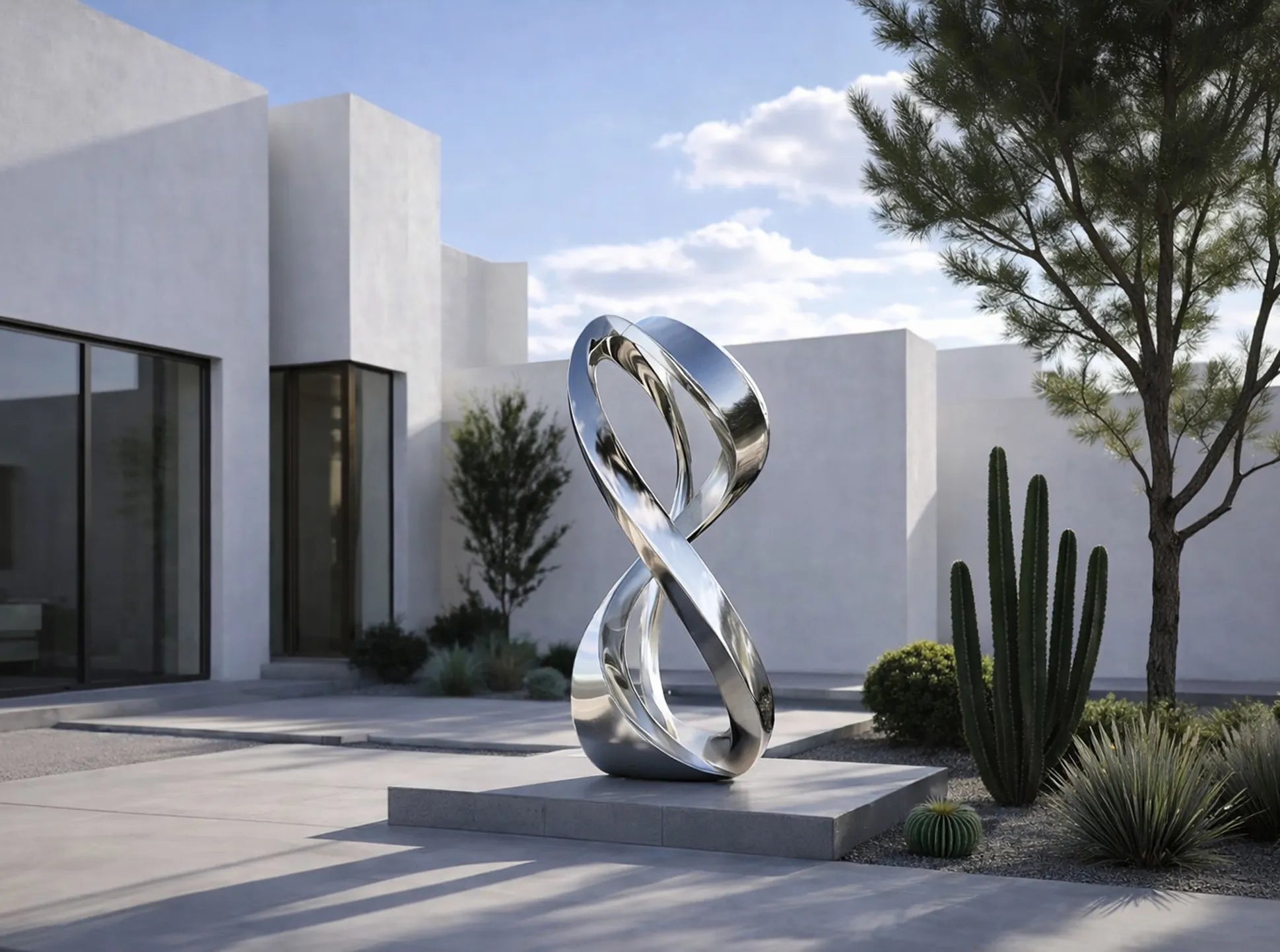
Owning a sculpture can be exciting. At first glance, the price tag seems straightforward, but many people underestimate the hidden costs that come with bringing a sculpture into a space. From shipping to maintenance, understanding these costs can prevent unexpected expenses and help plan for long-term enjoyment.
Estimating Shipping Costs for Sculptures
Shipping a sculpture, especially shipping a large and heavy one, often involves multiple layers of cost that people may overlook. First, the size and weight of a sculpture directly affect shipping fees. A figurative sculpture that is several feet tall or weighs hundreds of pounds will likely require freight shipping rather than standard courier services. Freight shipping can involve palletizing the sculpture, securing it with straps, and sometimes custom crating, each adding to the total cost.
Next, the material matters. Heavy materials like marble or bronze increase shipping weight, while delicate finishes may require extra padding or custom crates to prevent scratches or chips. For example, a marble statue may need extra protective foam and a reinforced crate to withstand handling and transport.
Destination is another factor. Shipping internationally or across states may include import taxes, customs duties, or special handling fees. Insurance is strongly recommended to cover potential damages during transit, and it is important to confirm whether it is included in the quoted shipping price.
Practical steps include asking the seller about their freight partners, whether equipment like forklifts or pallet jacks will be provided, and how delivery will be scheduled. Planning these logistics ahead can save both money and stress, and prevent delays when the sculpture arrives.

Evaluating Installation Costs for Sculptures
Installation costs for large sculptures depend on multiple factors beyond just the size. The weight of the sculpture dictates whether additional support, such as a base or platform, is required. For an outdoor stainless steel sculpture, professional installation may involve drilling into concrete or securing the sculpture with bolts and angle irons to ensure it remains stable over time.
The required equipment can affect cost. Forklifts, cranes, or hoists may be necessary for larger sculptures, and renting these tools can add several hundred dollars to the installation budget. Labor costs also vary depending on complexity, such as placing a statue on uneven terrain or aligning multiple pieces in a specific arrangement.
Small sculptures also benefit from proper setup. Even a compact animal statue can tip over if it is not leveled or anchored properly, especially in outdoor settings exposed to wind or traffic. Planning installation includes assessing the site beforehand, confirming floor or ground stability, and coordinating with installers to ensure they have the right tools and instructions. Proper installation not only prevents damage but also preserves the intended visual impact of the sculpture.

Accounting for Maintenance of Sculptures
Maintenance is a critical consideration for all sculptures. Materials like marble, bronze, or stainless steel respond differently to environmental conditions. A marble statue indoors requires regular dusting and occasional polishing to keep its surface clean and smooth. Even minor dust or debris left unattended can gradually dull the finish.
For outdoor sculptures, exposure to sunlight, rain, and pollution can accelerate wear. A bronze sculpture may develop a patina or oxidize over time if not protected. Applying protective coatings, cleaning dirt, and sealing surfaces regularly can prevent discoloration and structural degradation.
Maintenance also includes inspection for cracks, loose joints, or other signs of wear. Medium-sized statue may require about $50–$200 per year for cleaning supplies, coatings, or professional maintenance, while larger installations might cost more. Planning for these recurring costs ensures the sculpture remains visually appealing and avoids expensive repairs caused by neglect.

Planning Ahead to Avoid Unexpected Costs
Proper planning is essential to prevent surprises. Begin by measuring the intended space for placement and checking floor strength to support weight. Ensure there is sufficient access for moving equipment, such as forklifts or pallet jacks, especially for heavy and large art sculptures.
It is also helpful to discuss shipping, installation, and insurance in advance. Confirm whether insurance covers damage during transport and installation, and verify that delivery and setup schedules work for your site conditions.
Budgeting for maintenance is another practical step. Knowing the expected cleaning, sealing, or protective coating requirements allows you to allocate funds and schedule upkeep. Being proactive in planning logistics, installation, and maintenance ensures sculptures continue to look their best and remain a valued element in the space.

Conclusion
Owning a sculpture involves more than the initial purchase price. Key costs include shipping and handling for large pieces, installation and equipment fees, ongoing maintenance requirements, and insurance for protection. Planning ahead and understanding these expenses ensures that the enjoyment of sculpture is smooth and worry-free.


